
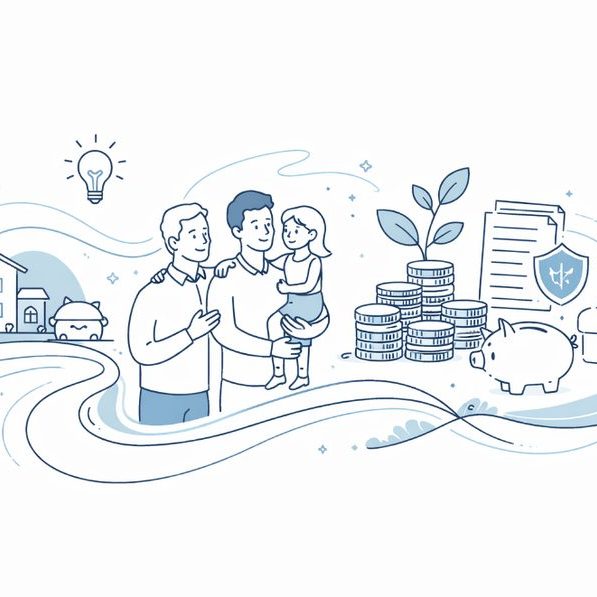
What Generational Wealth Actually Means
Generational wealth is often described simply as leaving money behind, but the real idea is broader. It is the ability to transfer financial stability, opportunity, and decision-making power from one generation to the next. A strong plan focuses on durability: wealth that can adapt to changing laws, markets, and family dynamics.
Wealth of this kind is fragile. Taxes, inflation, healthcare costs, and poor coordination can erode assets quickly, and without intentional planning even significant sums can disappear within a generation or two. That is why the plan matters as much as the money.
Start With a Solid Financial Foundation
Before wealth can be preserved or transferred, it needs to be stable. A generational wealth plan begins with sound basics: cash flow management, emergency reserves, and disciplined investing. These elements provide resilience during market downturns and life transitions.
Diversification across asset classes helps manage risk while supporting long-term growth. The goal is not to chase returns, but to build a portfolio that supports income needs, legacy objectives, and risk tolerance over time.
Make Retirement Income the Anchor
A sustainable plan has to account for the retirement years of the first generation. If retirement income is not planned carefully, withdrawals can undermine the entire strategy. Longevity risk, the possibility of outliving assets, is one of the largest threats to generational wealth.
Effective planning balances reliable income with continued growth. That often involves coordinating Social Security timing, portfolio withdrawals, and tax-efficient income sources, so that lifestyle needs are met without placing unnecessary strain on long-term assets.
Fund Trusts and Coordinate the Estate
Estate planning is where many generational plans either succeed or fail. Having a will is rarely enough. Trust structures, when properly designed and funded, provide control, flexibility, and protection for future generations.
Trust funding ensures assets are correctly titled and aligned with the intended plan. Without that step, even well-drafted documents may not function as expected. Estate coordination also covers beneficiary designations, asset protection, and tax considerations, and it works best when financial, legal, and tax professionals collaborate.
Manage Taxes Across Generations
Taxes are one of the largest risks to generational wealth. Income taxes, capital gains, and potential estate taxes can significantly reduce what is passed on if they are not addressed proactively. Common strategies include tax-aware investing, charitable giving, and thoughtful asset location.
The timing of income and the structure of transfers influence tax outcomes for both current and future generations. A coordinated tax strategy preserves wealth while staying adaptable to changes in the law.
Plan for Long-Term Care and Other Risks
Healthcare and long-term care costs pose a substantial threat to generational wealth. A single extended care event can consume years of savings if it is not planned for in advance, and ignoring the risk often shifts the burden to family members.
Long-term care planning evaluates insurance, self-funding strategies, and asset structuring. Risk reduction also includes regular insurance reviews, liability management, and contingency planning, all of which help protect wealth from unexpected disruptions.
Prepare the Next Generation
Financial capital alone does not create generational wealth. How well the next generation manages and stewards it matters just as much. Preparation can include financial education, gradual inheritance structures, or family governance frameworks.
Clear communication about values and expectations reduces conflict and confusion later. When family members understand the purpose of the wealth, they are far more likely to protect it. And because circumstances change, the plan should be reviewed at least annually and after major events such as retirement, inheritance, or shifts in tax law. A generational wealth plan is a practice, not a one-time document, and it rewards families who keep tending it.
Related reading:
Why Communication Matters in Generational Estate Planning · How to Protect Your Legacy